Quick Answer
What is Mafaldine pasta made of?
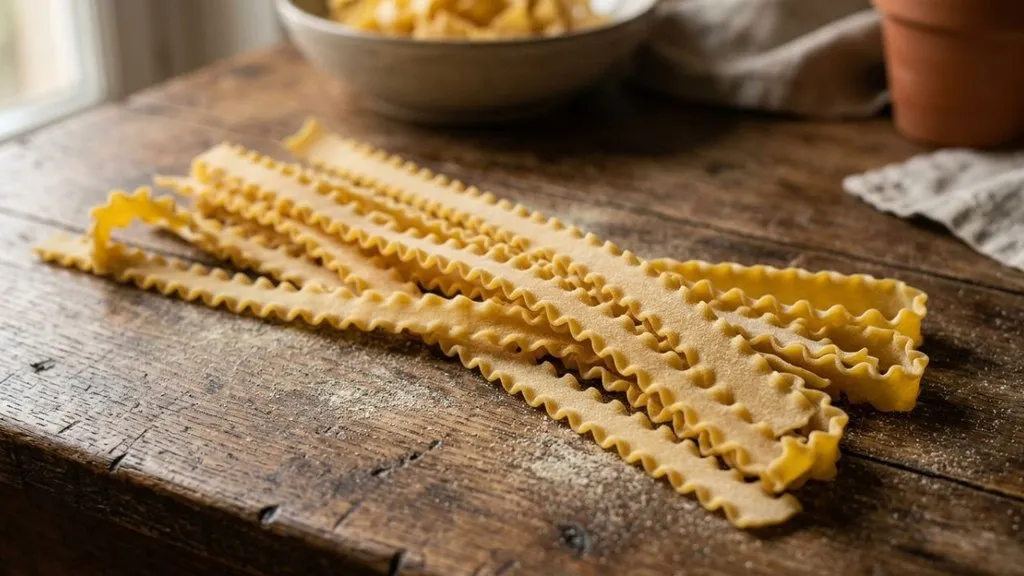
Mafaldine is traditionally a wheat-based pasta made from durum wheat semolina and water, with some versions using egg. It is recognizable by its long, flat ribbons and wavy edges.
What is mafalda Bolognese?
Mafalda Bolognese is essentially Mafalda or Mafaldine pasta served with Bolognese-style meat sauce. The names Mafalda, Mafalde and Mafaldine are used for closely related forms of this distinctive ribbon pasta.
What is Mafaldine pasta good for?
Mafaldine works particularly well with thick, hearty sauces such as meat ragù, Bolognese and creamy sauces. Its broad surface and ruffled edges help substantial sauces cling to the pasta.
Can you use Mafaldine instead of tagliatelle for Bolognese?
Yes. Mafaldine can replace tagliatelle in a Bolognese recipe without changing the sauce. You may need to adjust the cooking time depending on the specific pasta brand.
Is Mafaldine the same as fettuccine?
They are similar long, flat ribbon pastas, but Mafaldine has distinctive ruffled edges while fettuccine normally has smooth edges. The extra ridges make Mafaldine particularly attractive with thick sauces.
Introduction
Mafaldine Bolognese involves long, wavy pasta ribbons and is coated in thick meat sauce. The shape excels at absorbing heavy sauces because it is wide enough to soak up the meat, veggies, and tomato.
This version focuses on a deeply flavored sauce without unnecessarily complicating the recipe. The key is to brown the meat properly, soften the vegetables patiently, reduce the wine and let the ragù simmer until thick enough to coat the pasta.
What Is Mafaldine Bolognese?
Mafaldine Bolognese is Mafaldine pasta served with a rich Bolognese-style meat sauce. Mafaldine, also called Mafalda or Mafalde in some contexts, is a long ribbon pasta with distinctive rippled edges.
The shape is similar in width to other ribbon pastas, but its frilled sides add extra texture and help the sauce adhere. That makes it an excellent choice for ragù, especially when the sauce contains small pieces of meat and vegetables.
The Bolognese component is generally built around aromatics, meat, tomato, wine and a long simmer. Recipes vary considerably: some use beef alone, while others combine beef and pork; some use milk, stock or wine, and others rely more heavily on tomato. Sometimes the most memorable meals are the simplest ones. If you love nostalgic, comforting food, explore our collection of easy homemade sandwich recipes for more ideas.
Is Mafaldine Good for Bolognese?
Yes. Mafaldine is one of the best ribbon-shaped pastas for a substantial meat sauce because its ridged edges and broad surface catch the ragù. It gives you the familiar comfort of a classic Bolognese while adding more texture than a smooth, narrow noodle.
The pasta should be cooked until al dente and finished with the sauce rather than simply spooning sauce over plain noodles. A small amount of reserved pasta water helps the ragù loosen and coat the ribbons evenly.
Mafaldine is not just decorative. Its shape is well-suited to thick sauces, which is why wider pasta such as pappardelle and mafaldine commonly appears with Bolognese-style sauces.
Ingredients You’ll Need
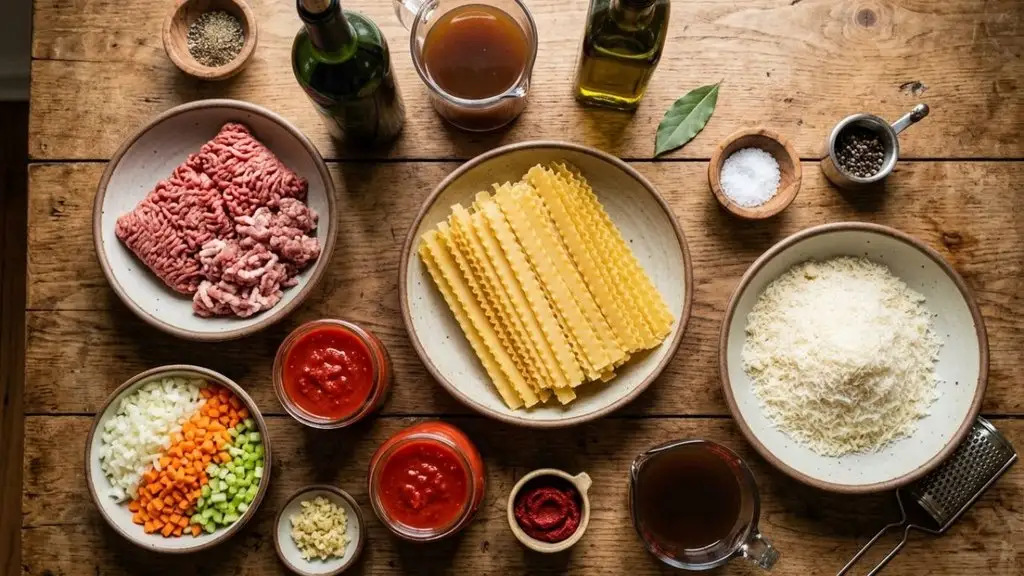
For about 4 servings, use:
- 400 g mafaldine pasta
- 250 g ground beef
- 250 g ground pork
- 1 medium onion, finely diced
- 1 medium carrot, finely diced
- 1 celery stalk, finely diced
- 2 garlic cloves, finely minced
- 2 tablespoons olive oil
- 2 tablespoons tomato paste
- 150 ml dry red wine
- 400 g crushed tomatoes
- 250 ml beef or chicken stock
- Salt and freshly ground black pepper
- 1 small bay leaf
- 2 tablespoons grated Parmigiano Reggiano, plus more to serve
The combination of beef and pork gives the sauce a fuller texture and flavor. If you prefer beef-only Bolognese, replace the pork with an equal amount of ground beef.
The vegetables form the aromatic foundation of the sauce. Dice them quite small, so they soften into the ragù rather than remaining large pieces.
How to Make Mafaldine Bolognese
1. Build the vegetable base
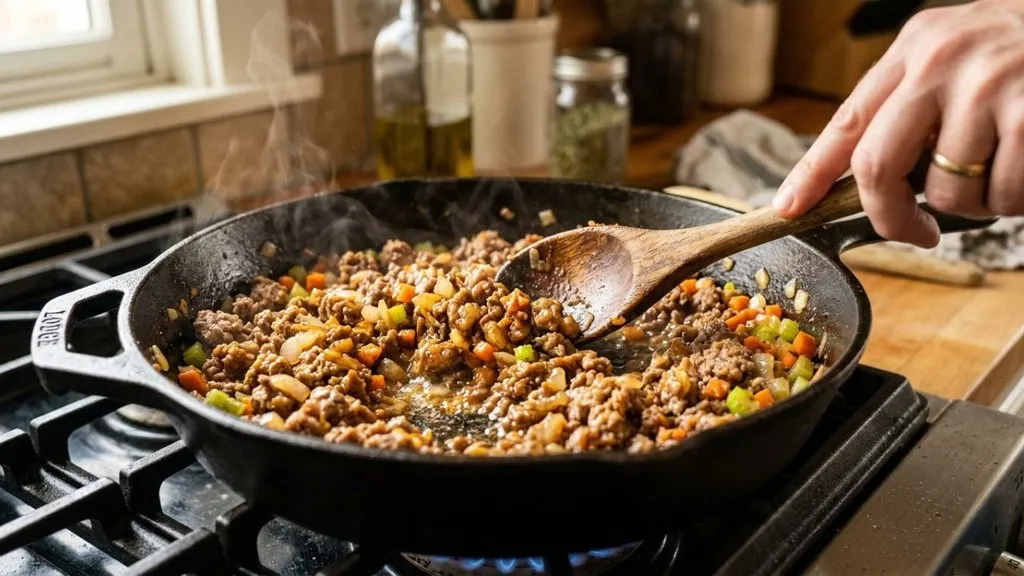
Heat the olive oil in a heavy-bottomed pot or large deep skillet over medium-low heat. Add the onion, carrot and celery with a small pinch of salt.
Cook for about 8–10 minutes, stirring occasionally, until the vegetables are soft and the onion becomes translucent. Add the garlic during the final minute.
Do not rush this stage. The vegetables should soften and become fragrant rather than burn or turn dark.
2. Brown the meat properly
Increase the heat to medium-high and add the ground beef and pork. Spread the meat across the pan and let it brown before breaking it into smaller pieces.
Cook until the meat is deeply browned and no longer pink. Browning creates more flavor than simply steaming the meat in its own moisture, so avoid overcrowding the pan.
3. Add tomato paste and wine
Stir in the tomato paste and cook for about 1–2 minutes. This gives it time to develop a deeper flavor.
Pour in the red wine and scrape the bottom of the pan to release the browned bits. Let the wine reduce noticeably before adding the remaining liquids.
This reduction prevents the finished sauce from tasting thin or overly alcoholic.
4. Simmer the ragù
Add the crushed tomatoes, stock and bay leaf. Bring the mixture to a gentle simmer, then reduce the heat to low.
Simmer uncovered for about 60–75 minutes, stirring occasionally. The finished sauce should be thick, rich and spoonable rather than watery.
If the sauce becomes too thick before the meat is tender, add a small splash of stock or water. If it is still loose near the end, continue simmering uncovered.
5. Cook the Mafaldine
Bring a large pot of water to a boil and salt it generously. Cook the mafaldine according to the package directions, aiming for al dente.
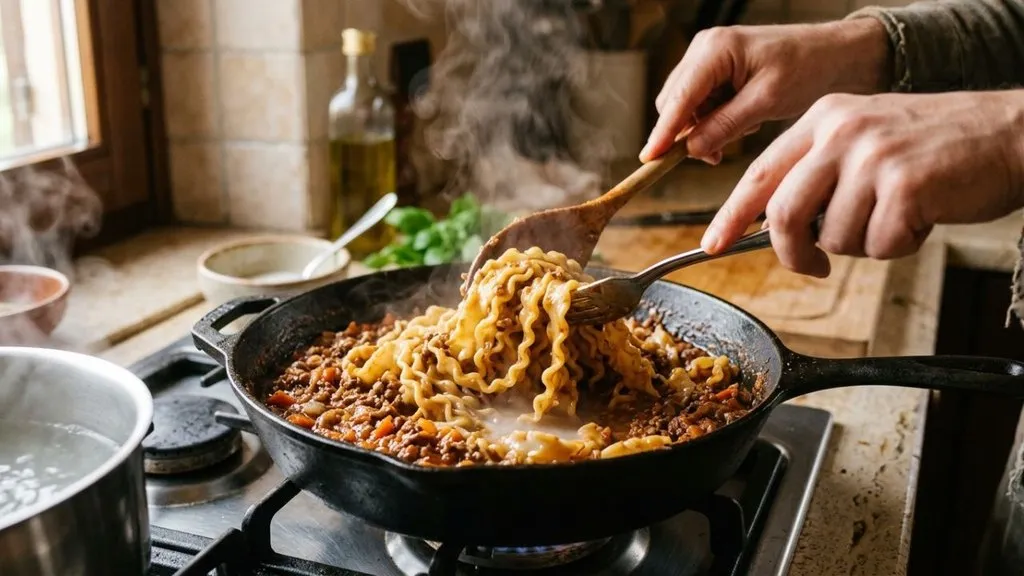
Before draining, reserve at least 1 cup of pasta water. Transfer the pasta directly into the ragù and toss gently.
Add reserved pasta water a little at a time until the sauce becomes glossy and coats the pasta without pooling at the bottom of the pan.
Finish with grated Parmigiano Reggiano and serve immediately.
Expert Tips for Better Bolognese Mafaldine
The biggest improvement comes from browning rather than boiling the meat. Give it enough room and heat to develop color before adding the liquid.
Keep the ragù at a gentle simmer. A violent boil can reduce the liquid too quickly, leaving the meat less opportunity to become tender.
Most importantly, finish the pasta in the sauce. The starch released from the pasta water helps the sauce cling to the mafaldine’s ruffled edges and creates a smoother final texture.
You can also make the ragù a day ahead. The flavor often becomes more integrated after resting, and the sauce can be refrigerated and reheated before combining it with freshly cooked pasta. Several published versions also recommend preparing Bolognese ahead or freezing it for later meals.
Common Mistakes to Avoid
Using too much sauce: Mafaldine should be coated, not submerged. Start with less ragù and add more as needed.
Skipping the browning: Pale, steamed meat produces a flatter-tasting sauce.
Cutting the vegetable base too large: Large chunks can overpower the delicate pasta shape. Fine, even dice work better.
Boiling the ragù aggressively: Keep it at a gentle simmer so the sauce reduces gradually.
Draining all the pasta water: Always reserve some before draining the rest. It is one of the easiest ways to adjust the final consistency.
Overcooking Mafaldine: The ruffled edges should retain a pleasant bite. Slightly undercooked pasta can finish cooking while being tossed with the hot sauce.
Variations, Substitutions and Serving Ideas
For mafaldine alla Bolognese, use a beef-and-pork mixture to create a balanced, hearty ragù. Beef-only works well if that is what you have available.
For a lighter variation, reduce the meat slightly and increase the finely diced carrot, celery and onion. You can also use vegetable stock instead of beef stock.
To make mafaldine bolognese bianca, create a white ragù that does not involve the use of tomatoes. The vegetable and meat base for both sauces is the same; besides that, it is necessary to prepare wine and stock for this sauce, and some milk for added creaminess can also be useful.
Serve the finished pasta with finely grated Parmigiano Reggiano and freshly cracked black pepper. A simple green salad or roasted vegetables make an easy side without competing with the ragù.
For readers interested in the traditional preparation, the Accademia Italiana della Cucina’s provides the updated recipe registered with the Bologna Chamber of Commerce in 2023.
Frequently Asked Questions
How long does Mafaldine Bolognese keep?
Store leftover sauce or assembled pasta in an airtight container in the refrigerator. For best texture, keep the ragù separate from freshly cooked pasta when possible.
Can Bolognese sauce be frozen?
Yes, the ragù freezes well. Cool it promptly, store it in a suitable airtight container and thaw it safely in the refrigerator before reheating.
What cheese goes with Mafaldine Bolognese?
Parmigiano Reggiano is an excellent choice because its salty, savory flavor complements the rich meat sauce. Grana Padano is another suitable option.
Can I make the sauce without wine?
Yes. Replace the wine with additional stock and allow the sauce to simmer until it reaches the desired consistency. The flavor will be slightly different, but the recipe will still work.
Conclusion
Mafaldine Bolognese combines a delicious ragù and beautiful ribbon pasta in one delightful dish. The rumbled edges of the pasta allow us to enjoy the rich meat sauce. Besides, long, slow cooking will give us a flavor combination that creates a feeling of comfort.
To achieve success, pay attention to the basic requirements: make sure to brown the meat, let the vegetables soften, reduce the amount of wine, and let the sauce cook for a long time.
You can make authentic mafaldine alla Bolognese, alter the sauce as needed, or try a tomato-free version of the dish.